
Trump’s 7/16/26 Speech
Trump’s statements about a lack of voting and election integrity and the multiple fact-checking reports debunking his statements.
Congressional Redistricting
The U.S. Supreme Court’s 2026 ruling in Louisiana v. Callais significantly weakened the Voting Rights Act, affecting how Congressional districts may be drawn. Redistricting battles are underway in multiple states. Staying informed and staying registered matters more than ever this year.
Documentary Proof of Citizenship & the SAVE Act
The Safeguard American Voter Eligibility Act (aka the SAVE Act or SAVE America Act) is a Federal bill that would fundamentally change how Americans register to vote. It has passed the House of Representatives multiple times since 2024, including most recently in February 2026, and is being debated in the Senate in June 2026.
Today, Vote.org can help you register to vote in minutes, online, from anywhere. Under the SAVE Act, that process would change significantly. Voters would generally need to present documentary proof of citizenship in person before completing registration, effectively eliminating most current online and mail registration methods. For most people, that means a passport or certified birth certificate.
If your name does not match across the above documents, additional paperwork such as a marriage certificate would also be required. The requirements apply any time a voter updates their registration, including after moving, changing their name, or switching political parties. Millions of already-registered Americans would need to comply, not just people registering for the first time.
The source of the above and more details at vote.org/save-act/ [The above as reported 6/21/2026]
More details about all the threats to Voting Laws.
Voting Rights of Women Under Attack
Let’s start with the Save Act, should it pass. Vote.org estimates 69 million American women lack a birth certificate that matches their current legal name.
More than a century ago, after years of struggle and strife, suffragists won the right to vote for women with the certification of the 19th Amendment in 1920.
One hundred years later, our country is moving from expanding the right to vote to reinstating voter suppression mechanisms and disenfranchisement. While we celebrate the progress we have made, we must remain fiercely committed to the work needed to preserve it.
For example:
- A growing faction of far-right digital sources and conservative youth political movements have begun promoting the idea of repealing the 19th Amendment.
- Some rural ultraconservative Christian and Patriarchal communities have begun embracing the idea of “household voting” where the family is represented by a single vote cast by the husband.
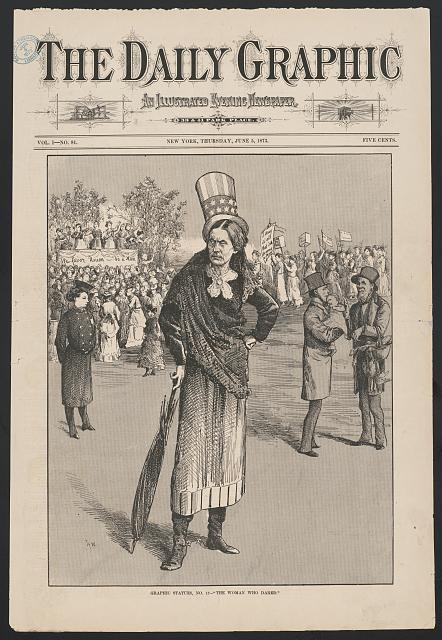
While generally seen as “fringe” viewpoints, these concepts are gradually moving from internet subcultures into mainsteam right-wing political consideration.